How this clinical care pathway works
Assessment, symptom drivers and recovery direction in one clear clinical view.
Communication after stroke
Support understanding, expression, reading and writing after changes in language ability.
Understand the barriers
Assessment identifies communication strengths and the situations that need support.
Work toward daily goals
Personalised language practice and partner strategies support everyday conversations.
More about this care pathway
Post-Stroke Aphasia is an acquired neurological communication disorder caused by damage to the brain's language centers (typically in the left hemisphere) following an ischemic or hemorrhagic stroke. At CurePrabha Clinics across India, our specialized neuro-speech pathologists deliver evidence-based therapy to help stroke survivors reclaim their voice.
Aphasia does not affect intelligence; it affects the access to words, grammar, reading, and comprehension. When a stroke survivor knows exactly what they want to say but cannot retrieve the words, the emotional frustration can be overwhelming.
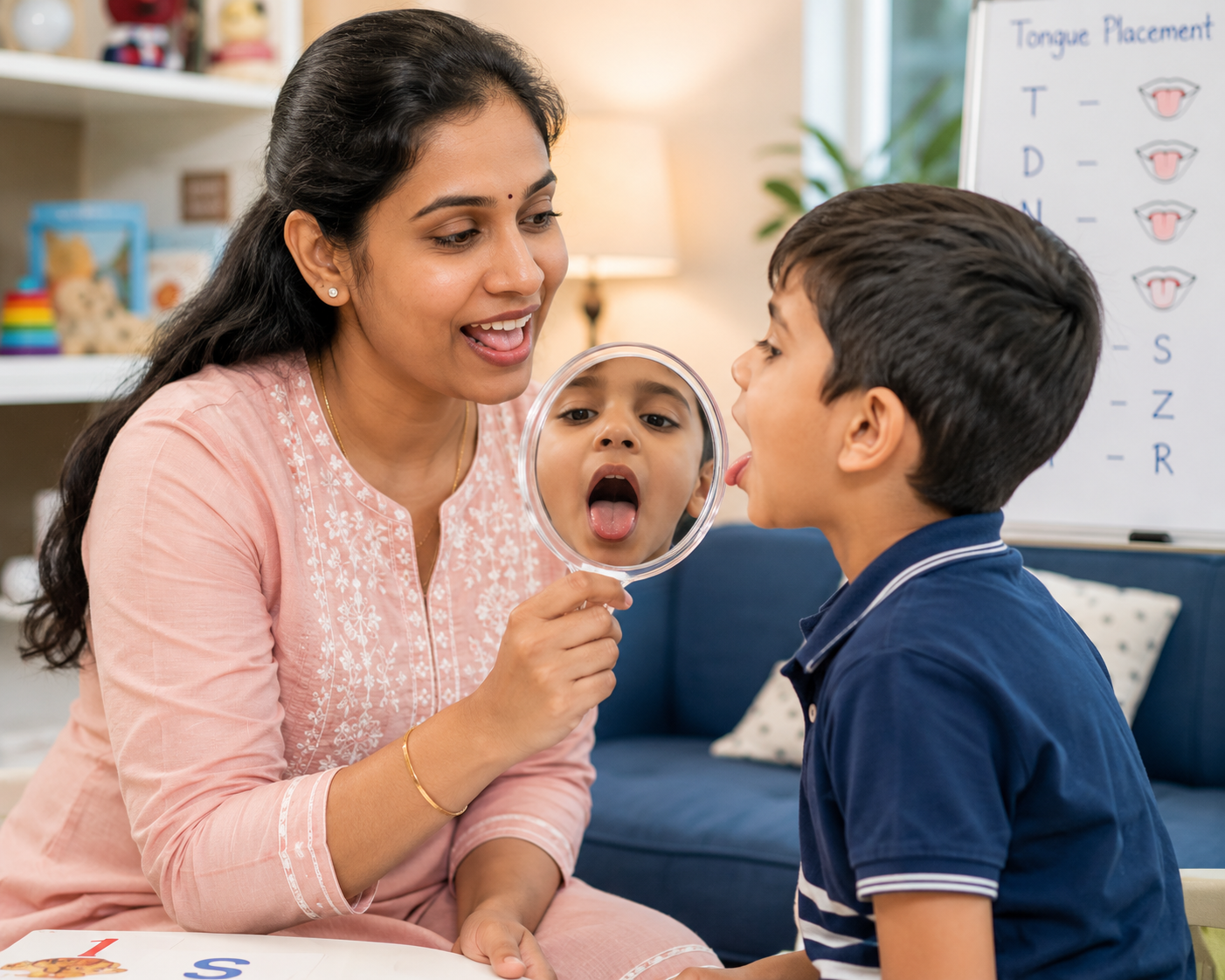
Our clinical protocols harness neuroplasticity through rigorous cognitive-linguistic stimulation, Melodic Intonation Therapy (singing-to-speaking), and Semantic Feature Analysis. We work collaboratively with patients and families to restore functional, meaningful conversations for daily life.