Pan-India Network • 120+ Cities • Certified Specialists

Activities of Daily Living (ADL) at Home

Activities of Daily Living (ADL) Training at CurePrabha Clinics

Master Daily Tasks. Reclaim Personal Autonomy. Live with Dignity.

Empowering individuals to regain mastery over essential self-care routines—including dressing, feeding, personal hygiene, and functional mobility—through evidence-based adaptive occupational therapy in Patna.

Explore services
Caregiver 1 Caregiver 2 Caregiver 3
120+ Cities • Trusted by 15,000+ Recoveries in Bihar • 4.9/5
Trusted Care

Expert Care. Lasting Independence.

100% At-Home Care
5.0
15,000+ Recoveries Trusted Care

Adaptive Equipment Mastery

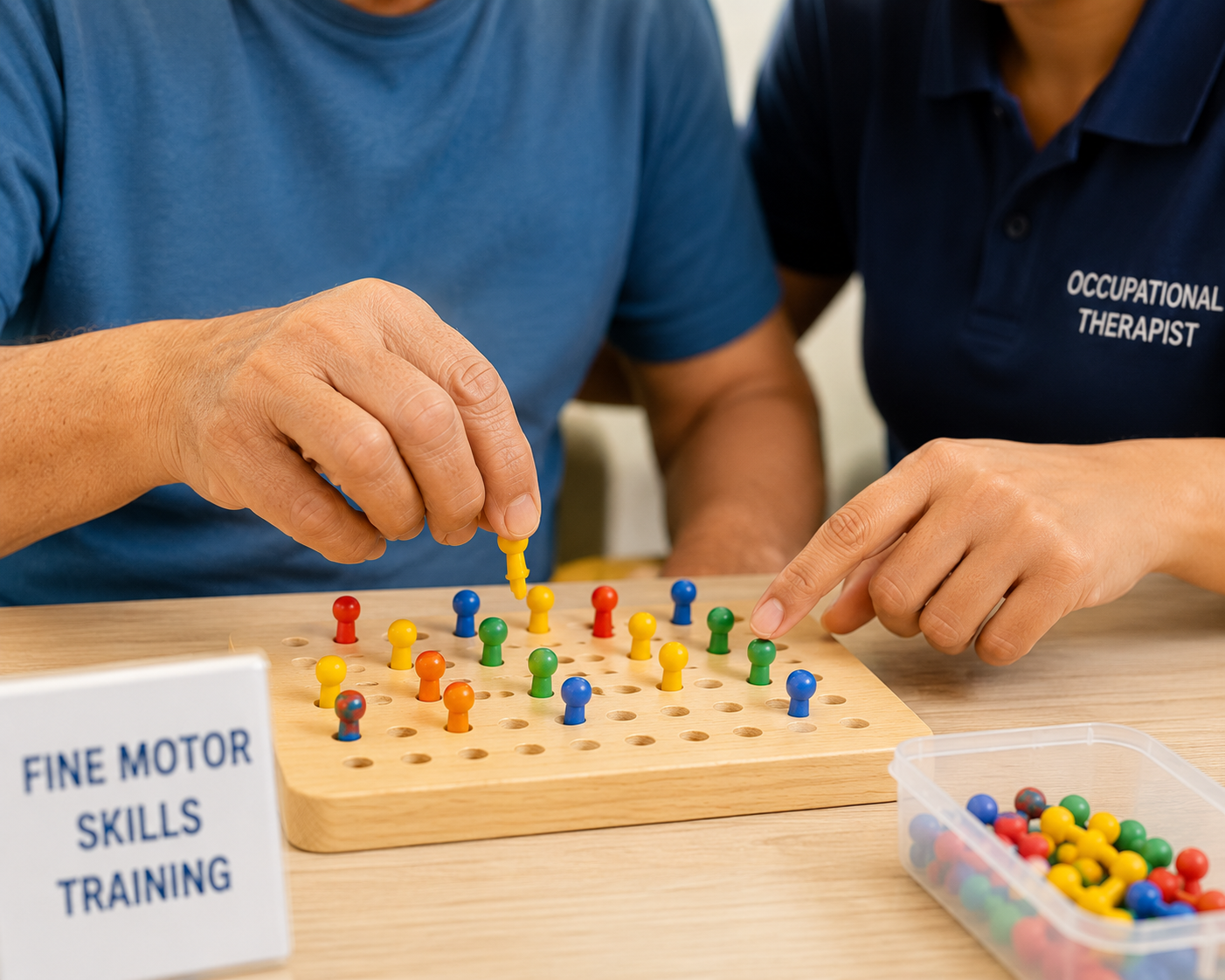
Personalized training with long-handled sponges, button hooks, elastic shoe laces, and rocker knives.

Backward & Forward Chaining

Deconstructing multi-step morning dressing routines into manageable motor sequences for reliable mastery.

Energy Conservation Principles

Strategic pacing, work-simplification techniques, and sit-down grooming setups to mitigate fatigue.

Environmental Contextual Simulation

Practicing meal preparation, pouring, and cupboard reaching in simulated domestic clinic stations.

Personalized, evidence-based occupational therapy protocols designed to resolve functional limitations and restore independence.

Condition-specific guidance

How this clinical care pathway works

Care needs, individual support and everyday progress in one clear view.

Care overview

Activities of Daily Living (ADL) Training is the foundational pillar of clinical occupational therapy, dedicated to helping individuals perform the essential self-care tasks required for everyday independence. At CurePrabha Clinics in Patna, our specialized occupational therapists work closely with patients whose motor control, sensation, cognition, or joint mobility has been impaired by stroke, trauma, neurological illness, or advanced age.

Individual support

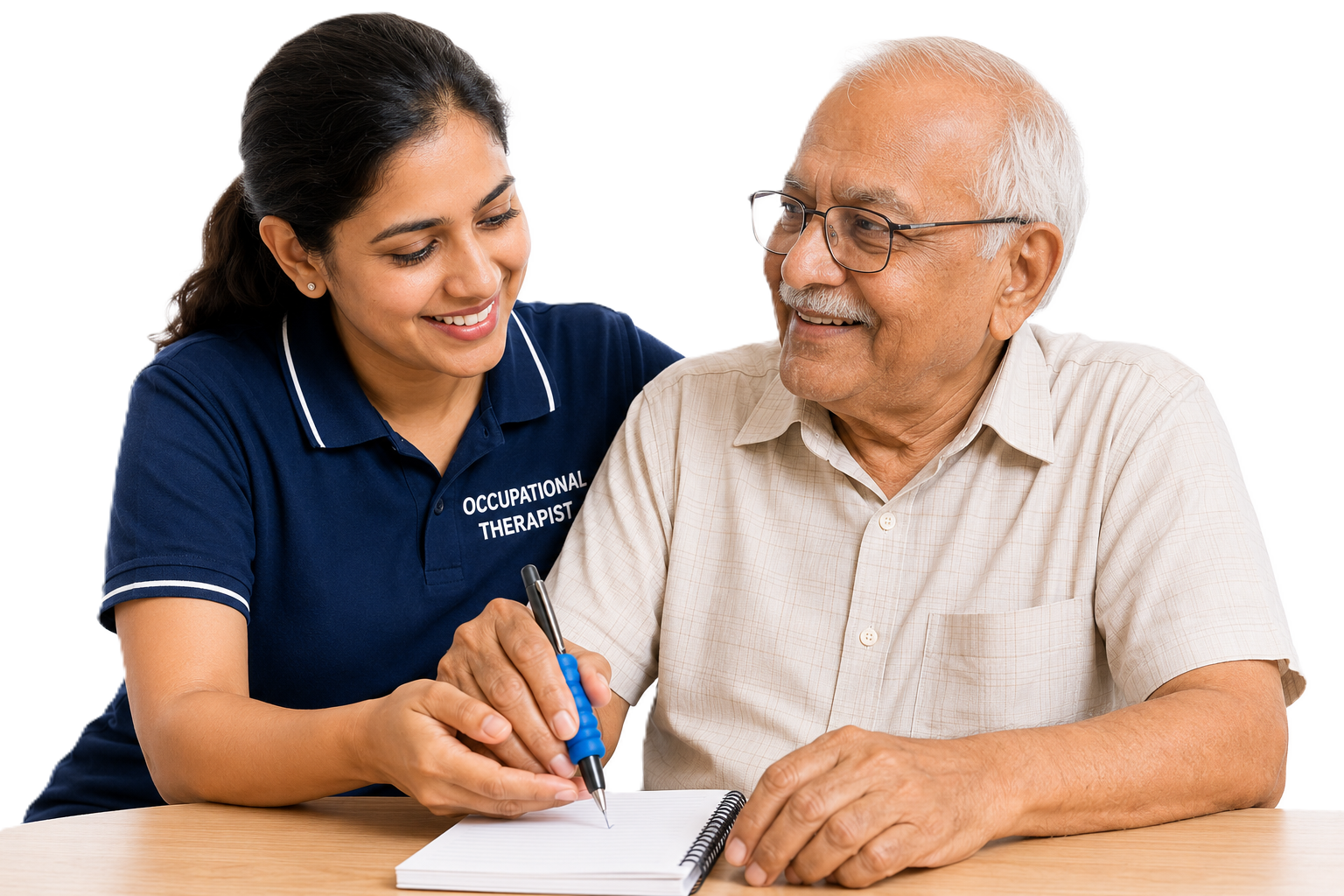
Our clinical methodology breaks down complex personal routines—such as buttoning a shirt, tying shoes, managing personal hygiene, preparing breakfast, and operating home appliances—into individual motor milestones. By identifying precise kinetic barriers, our therapists introduce custom compensatory methods, biomechanical adaptations, and assistive devices that make tasks manageable and safe.

Recovery and daily life

Rather than accepting lifelong dependency on family caregivers, our evidence-based ADL training rebuilds confidence, dignity, and personal autonomy. Every program is customized around the patient's domestic setting, cultural routines, and personal aspirations, delivering measurable gains in functional independence.

DIAGNOSTIC SCOPE

Conditions We Successfully Treat

Evidence-based clinical occupational therapy interventions for neurological, pediatric, and developmental challenges.

Post-Stroke Hemiplegia

Adaptive single-handed dressing techniques, button hooks, and upper-limb compensation strategies.

Severe Hand & Finger Arthritis

Joint protection strategies, ergonomic thick-handled utensils, and pain-free jar-opening mechanisms.

Parkinson's Disease Motor Hesitation

Overcoming freezing during morning dressing, weighted feeding utensils to dampen kinetic tremors.

Spinal Cord & Neurological Injury

Independent bed transfers, sliding board management, and adaptive grooming protocols.

Post-Surgical Upper Limb Weakness

Graduated self-care re-training following rotator cuff, wrist, or shoulder reconstructive surgeries.

Senior Functional Decline & Frailty

Energy conservation principles for bathing, seated kitchen preparation, and independent toileting.

CLINICAL PRECISION

Comprehensive Evaluation & Assessment

Standardized diagnostic testing and movement screens tailored to ADL Training.

01

Functional Independence Measure (FIM)

Standardized clinical scoring of self-care performance across feeding, grooming, bathing, and dressing.

02

Barthel Index Activity Profiling

Objective assessment of mobility, transfers, and continence independence to establish measurable targets.

03

Biomechanical Range & Pinch Screening

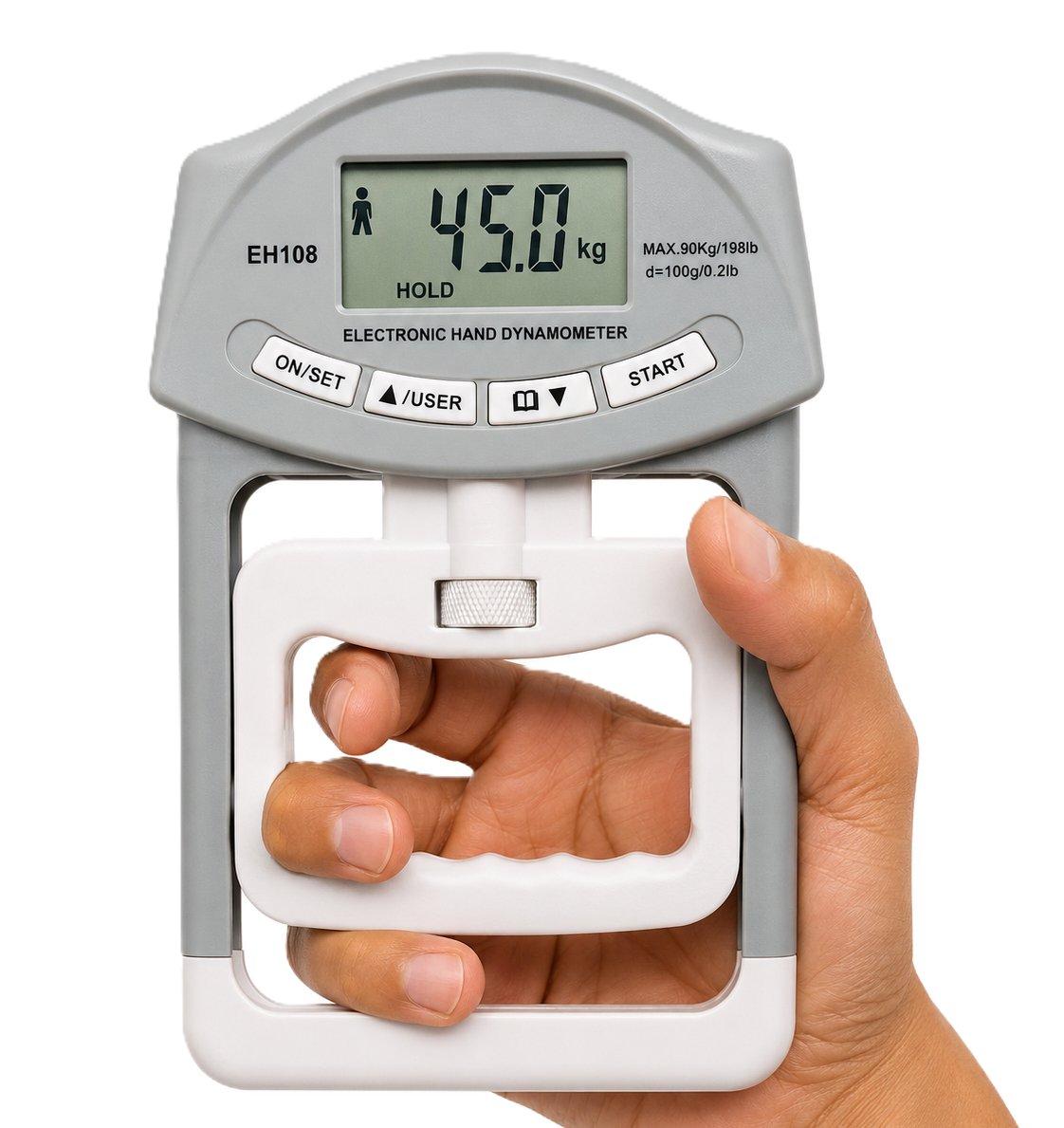
Testing active range of motion, palmar grasp, lateral key pinch, and hand-eye coordination for daily tools.

04

Domestic Task Simulation & Safety Audit

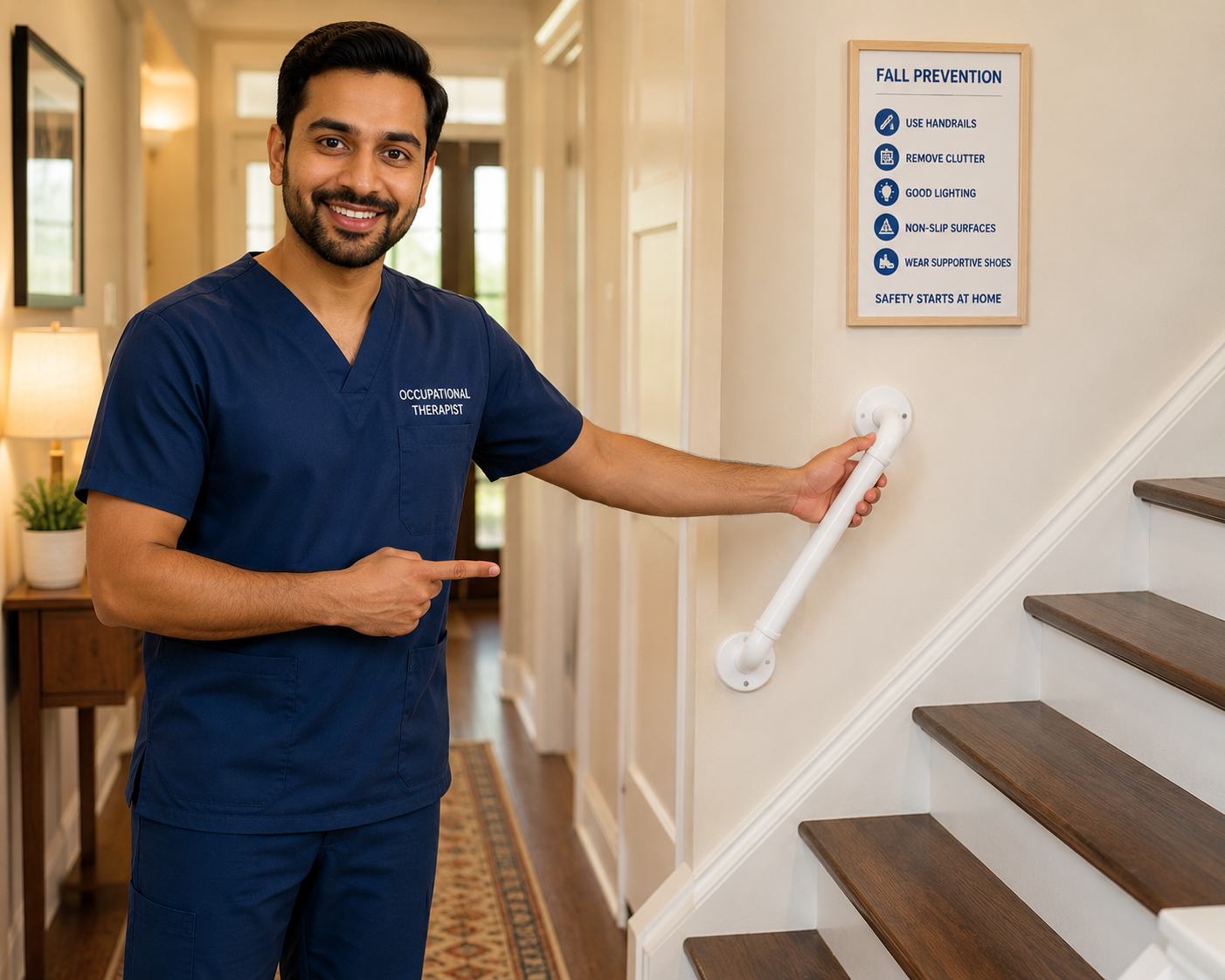
Direct observation of kettle pouring, cupboard reaching, and door handle opening to identify fall risks.

OUR ADVANTAGES

Why Families Choose CurePrabha

Specialized clinical excellence tailored around your independence.

CLINICAL EXCELLENCE

Expert ADL Therapists

Certified occupational therapists specializing in neuro-motor compensation and daily living adaptation.

TAILORED CARE

Custom Adaptive Protocols

Tailored equipment prescription including button hooks, weighted spoons, and reachers matching your home.

MEASURABLE RECOVERY

Quantifiable Autonomy

Objective Barthel Index tracking measuring percentage reduction in family caregiver dependency week-by-week.

CLINICAL JOURNEY

How It Works

A structured, progressive path from initial limitation to complete functional independence.

1

Phase 1: Basic Self-Care Stabilization

Addressing seated feeding, mouth hygiene, and introducing essential adaptive grips to alleviate initial caregiver strain.

2

Phase 2: Upper Body Dressing & Grooming

Training forward-chaining shirt donning, comb usage, and single-handed buttoning strategies.

3

Phase 3: Lower Body Dressing & Safe Transfers

Mastering socks, trousers, shoe application with long shoehorns, and safe toilet transfer mechanics.

4

Phase 4: Instrumental Activities (IADLs) & Community Independence

Light food preparation, kitchen appliance navigation, domestic money handling, and independent lifestyle routines.

Phase 1: Basic Self-Care Stabilization

Step 1 of 4

Addressing seated feeding, mouth hygiene, and introducing essential adaptive grips to alleviate initial caregiver strain.

Tap steps above to explore flow
TARGET POPULATION

Who Benefits Most

Individuals and recovery candidates ideal for our specialized ADL Training program.

Stroke Survivors with Residual Hemiplegia

Individuals seeking to dress, groom, and eat independently using adaptive single-handed techniques.

Seniors with Arthritis & Joint Deformities

Older adults facing severe finger stiffness, requiring ergonomic cutlery and low-effort jar openers.

Patients with Parkinson's & Kinetic Tremor

Those struggling with spilling food or prolonged dressing times due to muscle rigidity and tremors.

Post-Orthopedic & Spinal Surgery Patients

Individuals with restricted hip flexion or spinal movement needing safe adaptive dressing equipment.

Heartwarming care

Loved by Families

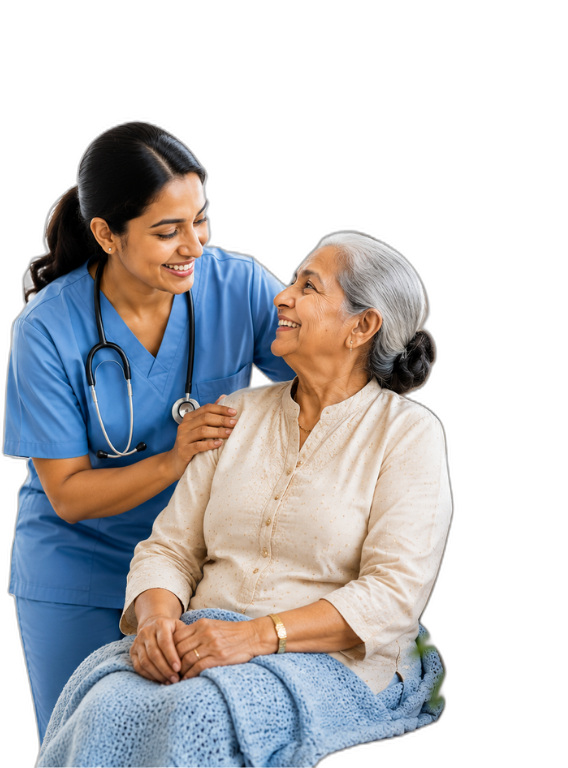
Compassionate home nursing, hospital-level medical supervision, and professional support designed around your patient's safety.

Occupational therapy that rebuilds dignity, confidence, and daily joy.

Real-life practical skills

Simple home tasks that continue progress between sessions.

Certified OT Specialists

Licensed, background-verified specialists in post-operative, geriatric, and ICU home care.

“

CurePrabha has been a blessing. After my mother's cardiac surgery, we booked post-surgical nursing at home. The nurse was clinical, patient, and managed all dressing changes safely.

Sunita R.
Sunita R.
Post-Surgical Care · Google Review
“

The geriatric home nursing care made all the difference for my father. The nurse monitored his vitals, managed his medications, and kept his diabetes strictly controlled.

Rajesh M.
Rajesh M.
Geriatric Care · Google Review
“

Outstanding coordination and highly professional home ICU care. The nursing team set up all critical care equipment and handled ventilator checks with absolute precision.

AK
Anita K.
ICU at Home · Google Review
“

We booked home nursing for my father's complex bedsore dressing. The sterile care protocols and daily visits healed the wound perfectly and safely.

AV
Ananya P.
Wound Care · Google Review
Pan-India occupational therapy homecare network

Activities of Daily Living (ADL) at home, closer to your family.

Functional Independence. Adaptive Skills. Everyday Confidence.

120+
Cities covered
8
Care pathways
15K+
Recoveries
Activities of Daily Living (ADL) Training at CurePrabha Clinics
People also ask

Before you book Activities of Daily Living (ADL) at home

Clear answers to common questions about ADL Training.

What is the difference between physical therapy and ADL occupational therapy?
While physical therapy focuses on gross motor functions like muscle strength, joint range, and walking, occupational therapy focuses on functional tasks—enabling you to use that strength to dress, feed yourself, write, and manage your daily life with total independence.
What adaptive equipment is commonly introduced during ADL training?
Depending on your specific condition, our therapists introduce specialized equipment such as button hooks, zipper pulls, weighted cutlery, plate guards, long-handled shoehorns, elastic shoelaces, and non-slip mats.
Can a stroke patient with one paralyzed arm learn to dress independently?
Yes. Our therapists teach specialized hemiplegic dressing techniques where the affected limb is dressed first and undressed last, utilizing adaptive garments and magnetic fasteners to achieve complete independence.
How many sessions are typically required for ADL mastery?
Most patients achieve substantial self-care gains within 8 to 16 structured sessions, depending on the severity of neurological or orthopedic impairment.
Are home modifications evaluated as part of ADL training?
Yes. Our therapists provide guidance on bathroom grab rails, shower chair height, and bedroom wardrobe access to ensure safe real-world application.
Occupational Therapy Care

Expert care. Lasting independence.

Activities of Daily Living (ADL) Training at CurePrabha Clinics

Every patient deserves a personalized therapy protocol designed around real-world daily mastery. Our certified therapists bring dedicated clinical expertise to your recovery.

Personalized Clinics
Licensed Therapists
Clinic-Based Recovery
Call Us Now