

Pan-India Network • 120+ Cities • Certified Specialists

Paralysis Physiotherapy & Motor Recovery Clinic in India

Paralysis Physiotherapy at CurePrabha Clinics

Looking for the best paralysis physiotherapy treatment in India?

Comprehensive clinical rehabilitation for partial or complete motor paralysis resulting from stroke, spinal cord injury, nerve compression, or Bell's palsy. Certified physical therapists deliver functional electrical stimulation, passive-to-active motor retraining, and tone management across 120+ cities in India.

Caregiver 1 Caregiver 2 Caregiver 3
120+ Cities • 15,000+ Recoveries • 4.9/5
Trusted Care

Expert recovery. Lasting mobility.

100% In-Clinic Care
5.0
15,000+ Recoveries Trusted Care

Galvanic & Faradic Stimulation

Diagnostic electrotherapy stimulating denervated paralyzed muscle fibers to prevent irreversible muscular atrophy.

PNF Patterning & Overflow

Using strong uninjured muscle contractions to trigger neuromuscular 'overflow' excitation into paralyzed muscle groups.

Passive-to-Active Re-education

Progressing from therapist-guided passive motion to active-assisted, active, and resisted motor recruitment.

Functional Transfer Retraining

Mastering bed rolling, bridging, sitting balance, and safe wheelchair-to-bed transfers to ensure personal dignity.

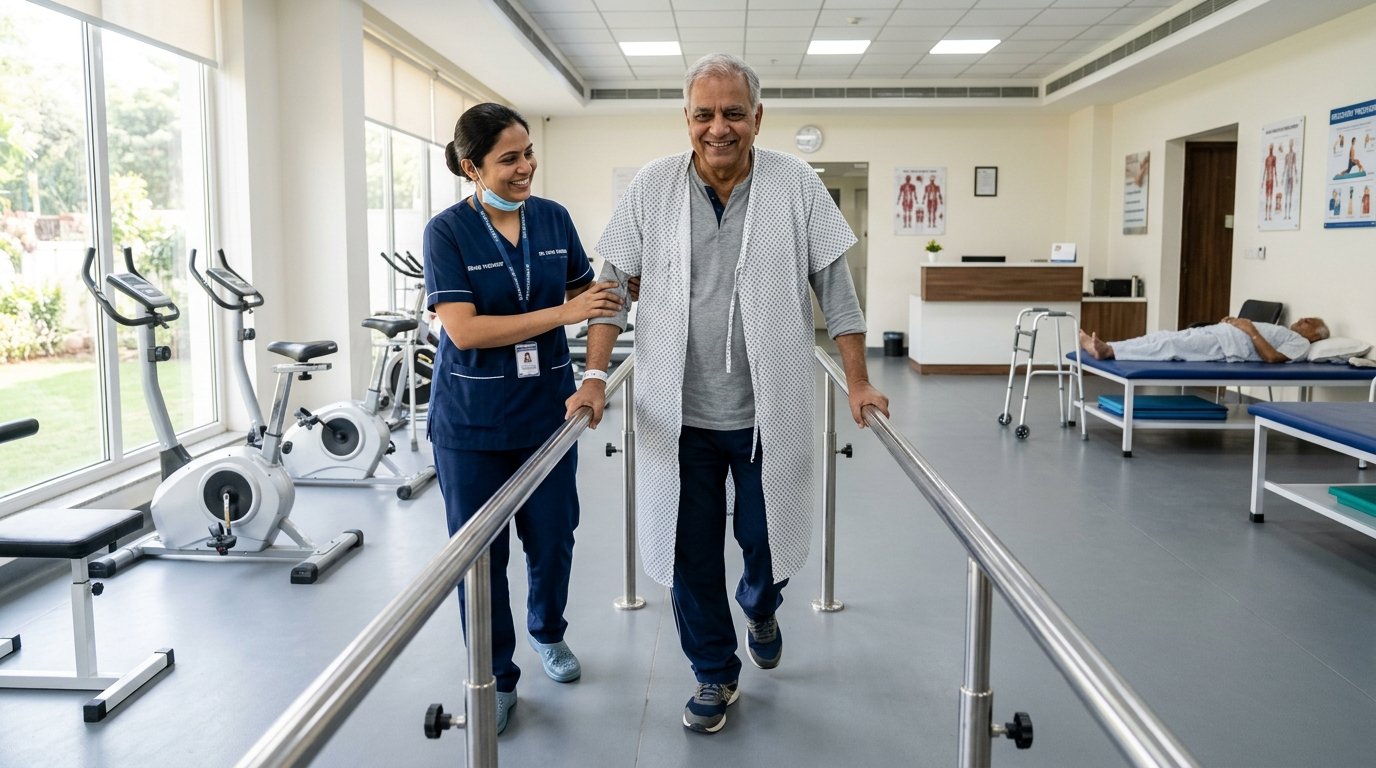
Every patient deserves a care team that shows up — consistently, kindly, and with clinical expertise. Our certified physiotherapists guide progress in pain management, strength building, and range of motion.

Condition-specific guidance

How this clinical care pathway works

Assessment, symptom drivers and recovery direction in one clear clinical view.

Clinical scope

Paralysis Physiotherapy care identifies the movement, strength and mobility limits affecting daily life. Certified CurePrabha physiotherapists provide focused in-clinic rehabilitation across 120+ cities.

Why symptoms persist

Pain often persists when weakness, stiffness and compensatory movement reinforce one another. A focused clinical assessment identifies the main physical drivers before treatment begins.

Treatment direction

Hands-on therapy, guided exercise and progressive loading restore comfortable movement. Care advances from symptom control to safer activity, stronger function and measurable recovery.

DIAGNOSTIC SCOPE

Conditions We Successfully Treat

Doctor-led, evidence-based in-clinic physical therapy tailored to Paralysis Physiotherapy across 120+ cities.

Hemiplegia (One-Sided Paralysis)

Facilitating voluntary motor control in paralyzed arm and leg muscles through neurodevelopmental patterning.

Bell's Palsy & Facial Nerve Paralysis

Targeted facial muscle stimulation, biofeedback mirror therapy, and eye-mouth symmetry restoration without synkinesis.

Paraplegia (Lower Body Paralysis)

Upper body functional strengthening, independent bed-wheelchair transfers, wheelchair balance, and pelvic health.

Radial, Peroneal & Brachial Plexus Palsy

Electrical galvanic stimulation, splinting, and passive muscle stretching preventing permanent wrist or foot drop.

Paralytic Muscle Spasticity & Contractures

Tone-inhibiting positioning, slow sustained stretching, and antagonist stimulation preventing irreversible joint contractures.

Assisted Ambulation & Gait Facilitation

Harness weight-supported gait training, knee-ankle-foot orthosis (KAFO) fitting, and assisted walking re-education.

CLINICAL PRECISION

Comprehensive Evaluation & Assessment

Standardized diagnostic testing and movement screens tailored to Paralysis Physiotherapy.

01

Medical Research Council (MRC) Muscle Grading

Systematically testing muscle strength from Grade 0 (no flicker) to Grade 5 (full strength against maximal resistance).

02

Electrodiagnostic Strength-Duration (SD) Curve

Assessing nerve excitability, chronaxie, and rheobase to differentiate between partial and complete nerve denervation.

03

House-Brackmann Facial Grading Scale

Quantifying facial symmetry at rest and during voluntary smiling, eyebrow raising, and eye closure for Bell's palsy.

04

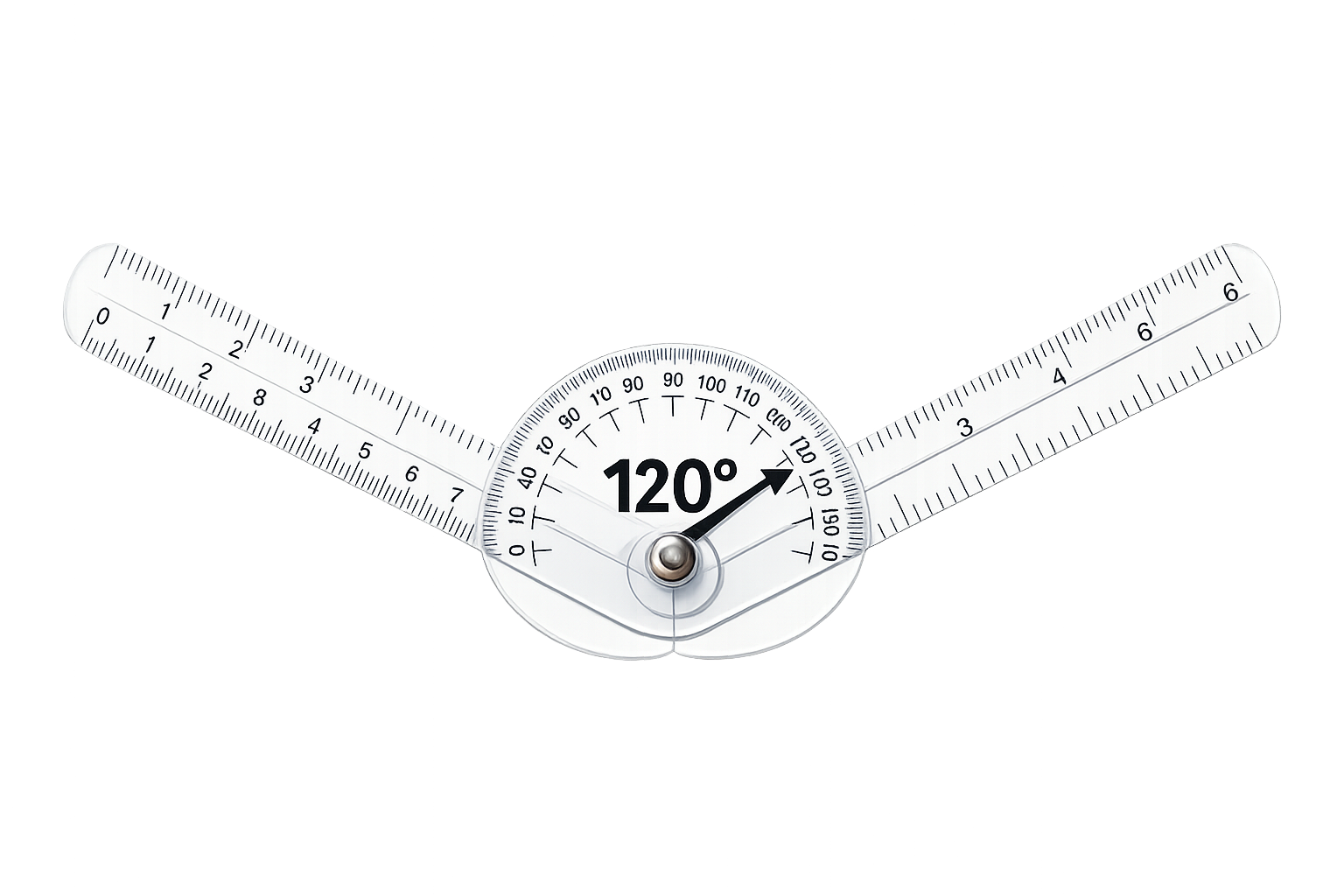
Passive Range of Motion & Contracture Screen

Measuring joint mobility at the shoulder, elbow, wrist, hip, knee, and ankle to detect early soft tissue shortening.

OUR ADVANTAGES

Why Families Choose CurePrabha

We are committed to delivering hospital-grade clinical therapy across our pan-India network of modern clinics.

CLINICAL EXCELLENCE

Clinical
Excellence

Certified neuro-physiotherapists equipped with advanced diagnostic electrotherapy and paralysis protocols across 120+ Indian cities.

TAILORED CARE

Customized
Protocols

Customized treatment plans tailored to the exact nerve pathology (neuropraxia, axonotmesis) and patient recovery potential.

MEASURABLE RECOVERY

Proven
Results

Objective MRC strength grades, SD curve progression, and functional independence improvements documented every session.

CLINICAL JOURNEY

How It Works

A simple, transparent 4-step path to starting your in-clinic therapy.

1

Phase 1: Protection & Electrical Preservation

Therapeutic electrical stimulation, daily full-range passive movements, and anti-contracture splinting to preserve muscle bulk.

2

Phase 2: Active-Assisted Movement & Biofeedback

Capturing initial voluntary muscle flickers using gravity-eliminated planes, powder boards, and visual mirror feedback.

3

Phase 3: Antagonist Strengthening & Tone Control

Active resistance exercises, spasticity-inhibiting stretches, and functional coordination drills in supported postures.

4

Phase 4: Functional Ambulation & Independence

Transfer training, orthosis-assisted walking, balance re-education, and domestic self-care activities.

Phase 1: Protection & Electrical Preservation

Step 1 of 4

Therapeutic electrical stimulation, daily full-range passive movements, and anti-contracture splinting to preserve muscle bulk.

Tap steps above to explore flow
TARGET POPULATION

Who Benefits Most

Patients and recovery candidates ideal for our specialized Paralysis Physiotherapy program.

Hemiplegia & Stroke Patients

Individuals with one side of their body paralyzed seeking intensive neuromuscular re-education and walking recovery.

Bell's Palsy & Facial Paralysis Patients

Those with sudden facial drooping, inability to close their eye, or difficulty drinking seeking rapid facial recovery.

Paraplegia & Spinal Cord Trauma Patients

Patients with lower body paralysis requiring transfer independence, wheelchair mobility, and standing frame therapy.

Nerve Injury Patients (Radial / Peroneal Palsy)

Individuals suffering from wrist drop or foot drop following fractures, compression, or surgical nerve injuries.

Heartwarming success

Loved by Families

Patient-centered recovery, therapist-guided exercises, and home sessions designed around your real goals.

Therapy that feels personal, steady, and close to family life.

Clinics-friendly schedule

Simple home tasks that continue progress between sessions.

Verified physiotherapists

Licensed, background-verified specialists in neurological, orthopaedic, and sports clinical care.

“

CurePrabha has been a blessing. After my father's stroke, we booked neurological clinical care in-clinic. The physiotherapist was patient, skilled, and helped him walk again.

Ramesh Kumar
Ramesh Kumar
Post-Stroke Recovery · Google Review
“

The post-operative physiotherapy in-clinic made all the difference. I was comfortable in my room, and the progress in my knee mobility has been absolutely remarkable.

Meera Sen
Meera Sen
Knee Replacement Recovery · Google Review
“

Highly professional orthopaedic physiotherapists. The home session was well-planned, using advanced portable equipment. I saw a huge drop in back pain within weeks.

RV
Rajesh V.
Back Pain Relief · Google Review
“

We booked sports physiotherapy in-clinic for my daughter's ligament tear. The strength conditioning and recovery protocols were highly effective.

DM
Deepa M.
Sports Injury Physiotherapy · Google Review
Pan-India physiotherapy network

Physiotherapy care across India, closer to home.

Doctor-led in-clinic physiotherapy for Paralysis Physiotherapy—delivered by specialist teams closer to your city.

120+
Cities covered
18
Care pathways
15K+
Recoveries
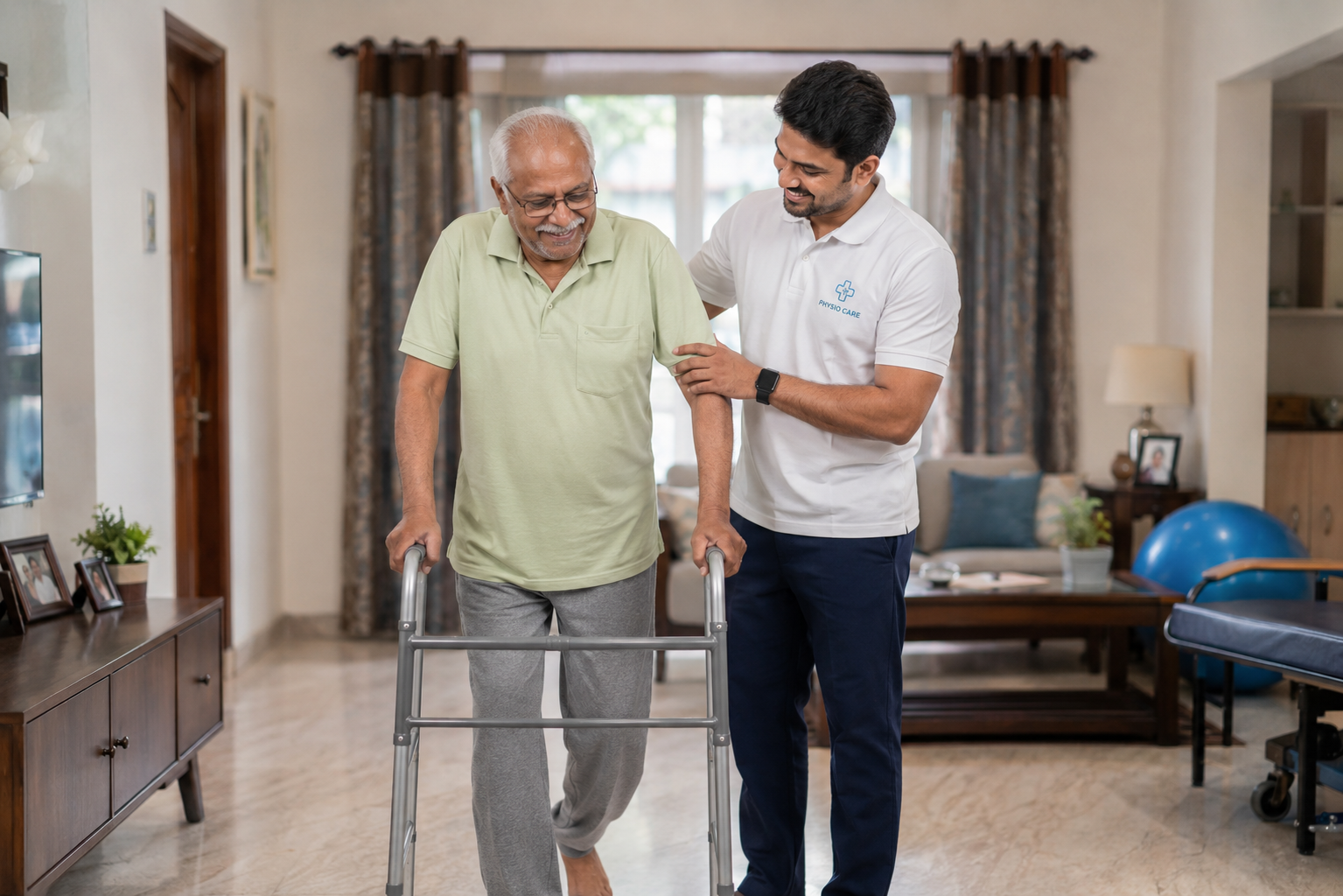
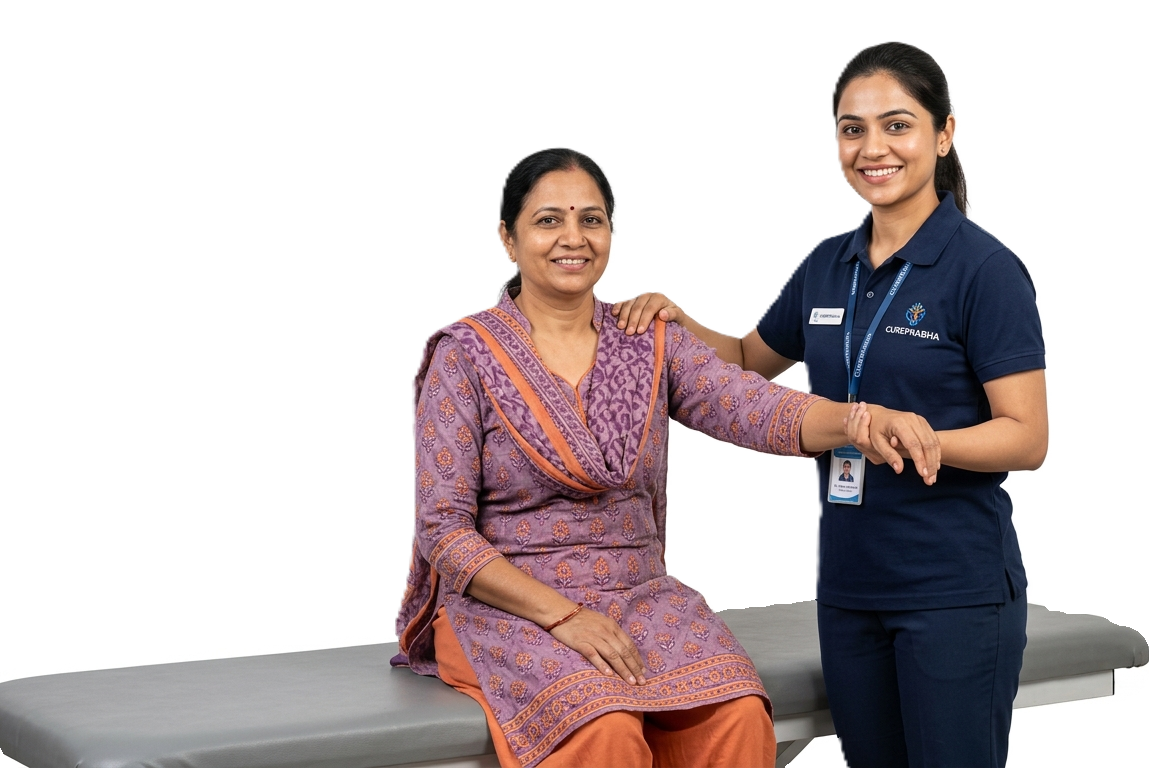
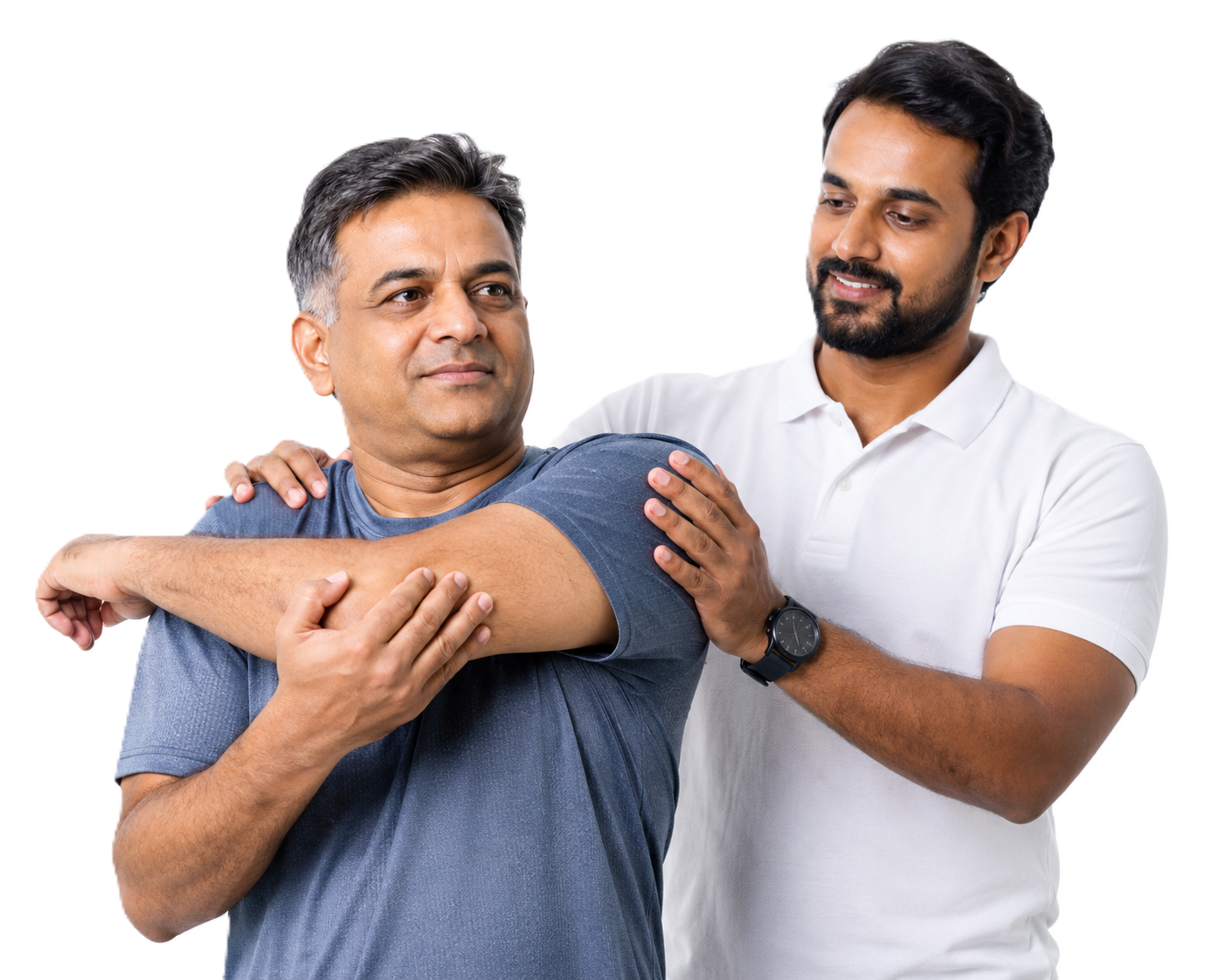
Indian physiotherapist guiding a patient through mobility exercises
People also ask

Before you book Paralysis Physiotherapy

Clear answers to the questions patients most often search before choosing Paralysis Physiotherapy in India.

How soon should physiotherapy start after Bell's palsy onset?
Physiotherapy should begin within 48 to 72 hours of medical diagnosis (alongside prescribed antiviral/corticosteroid medications). Early gentle galvanic stimulation, facial massage, and eye protection exercises prevent facial muscle atrophy and significantly reduce the risk of abnormal nerve miswiring (synkinesis).
Can paralyzed muscles recover strength after several months?
Yes. Peripheral nerves regenerate at an average rate of 1 millimeter per day (approx. 1 inch per month). With consistent electrical stimulation maintaining muscle viability and PNF exercises retraining neural pathways, meaningful motor recovery can occur over 6 to 12 months as regenerating nerves reach the target muscles.
How does electrical muscle stimulation help paralyzed patients?
When a nerve is damaged, the muscle cannot contract voluntarily and will rapidly lose bulk (denervation atrophy). Electrical stimulation delivers calibrated microcurrents directly to muscle fibers, forcing healthy rhythmic contractions that maintain blood circulation, muscle bulk, and protein synthesis while awaiting nerve healing.
What is the difference between flaccid and spastic paralysis?
Flaccid paralysis occurs with lower motor neuron injuries (limbs are limp, soft, and have no reflexes). Spastic paralysis occurs with upper motor neuron injuries such as stroke (limbs develop hyperactive reflexes, muscle tightness, and involuntary spasms). Physiotherapy protocols are custom-tailored to inhibit spasticity or stimulate flaccid muscles.
Do I need a doctor's referral to begin paralysis physiotherapy?
No doctor referral is required to book an initial assessment at CurePrabha. Our clinical triage specialists conduct thorough evaluations and coordinate with treating neurologists or neurosurgeons to align physical rehabilitation with ongoing medical care.
What is the cost of paralysis physiotherapy in India, and is it reimbursable?
Paralysis physiotherapy sessions at CurePrabha range between ₹700 and ₹1,600 depending on specialized electrotherapy equipment and session duration. Most private health insurance policies and post-hospitalization reimbursement cover outpatient paralysis rehabilitation.
Physiotherapy Care

Trusted care.
Lasting impact.

Paralysis Physiotherapy at CurePrabha Clinics

Every patient deserves an environment built around their recovery. Our certified clinical physiotherapists deliver evidence-based care across 120+ cities in India.

Personalized Clinics
Licensed Therapists
Clinic-Based Recovery